Maintaining your HVAC system is one of the most effective ways to ensure your home stays comfortable and your indoor air quality remains high. At Aspire Heating & Cooling, we know how empowering it can be to take an active role in your home’s upkeep. Routine HVAC cleaning doesn’t just make your system run smoother—it also helps you breathe easier. However, safety should always come first. Here’s a comprehensive guide to safe DIY cleaning for your HVAC system, along with a clear look at which tasks are best left to the professionals.
The Importance of Regular HVAC Cleaning
Your HVAC system works tirelessly year-round to keep your home at the perfect temperature. Over time, dust, pet hair, pollen, and other debris can accumulate within the system, reducing efficiency and affecting air quality. According to the U.S. Environmental Protection Agency (EPA), indoor air can be two to five times more polluted than outdoor air, making HVAC maintenance all the more important for your family’s health.
Routine cleaning of your HVAC components helps prevent clogging, reduces strain on the system, and can even lower your energy bills. Most importantly, it creates a healthier environment by minimizing allergens and contaminants circulating through your home.
Safe DIY Cleaning Methods for HVAC Components
While some HVAC maintenance tasks are simple enough for homeowners, it’s crucial to follow safe cleaning practices to avoid accidental damage or personal injury.
Air Filters: The First Line of Defense
Changing or cleaning your HVAC air filter is one of the easiest and most impactful tasks you can do. A clogged filter makes your system work harder, using more energy and potentially leading to costly repairs. For most homes, replacing the air filter every one to three months is recommended, but households with pets or allergy concerns may benefit from monthly changes. Always make sure to turn off your HVAC system before removing the filter to prevent unfiltered air from circulating.
When in doubt about which filter to use, check your system’s manual or reach out to our experts at Aspire Heating & Cooling for personalized guidance.
Cleaning Supply and Return Vents
Dust and debris can build up on your supply and return vents, restricting airflow and spreading dust throughout your home. To clean these:
- Turn off your HVAC system to prevent debris from being drawn into the system.
- Use a vacuum with a brush attachment to gently remove surface dust.
- For a deeper clean, unscrew the vent covers and wash them with mild soap and water. Make sure they are completely dry before reinstalling.
Regularly cleaning your vents not only improves airflow but also helps your system operate more efficiently.
Keeping the Outdoor Unit Clear
Your outdoor condenser unit is exposed to the elements, making it prone to accumulating leaves, grass clippings, and other debris. To safely maintain your outdoor unit:
- Turn off the power at the disconnect box.
- Remove large debris by hand and gently hose down the exterior fins.
- Avoid using high-pressure water, as it can bend the delicate fins and reduce efficiency.
Clearing the area around your outdoor unit is a simple way to keep your HVAC running smoothly, especially during peak cooling and heating seasons.
Safety First: Essential Precautions
Whenever you tackle DIY HVAC maintenance, safety should be your top priority. Here are a few critical safety recommendations:
- Always turn off power to your HVAC system before starting any cleaning task. This prevents accidental electrical shock or system damage.
- Wear protective gear like gloves and a dust mask to avoid contact with dust, mold, or debris.
- Read your system’s manual for any specific safety instructions, especially if your system is under warranty.
- Never use harsh chemicals, as these can damage system components and impact indoor air quality.
By following these steps, you can safely maintain your system and optimize performance.
Tasks Best Left to the Professionals
While many aspects of HVAC maintenance are suitable for DIY, there are certain jobs that require specialized knowledge and equipment. Attempting these on your own can put your safety at risk and potentially void warranties.
Deep Cleaning and Ductwork Inspection
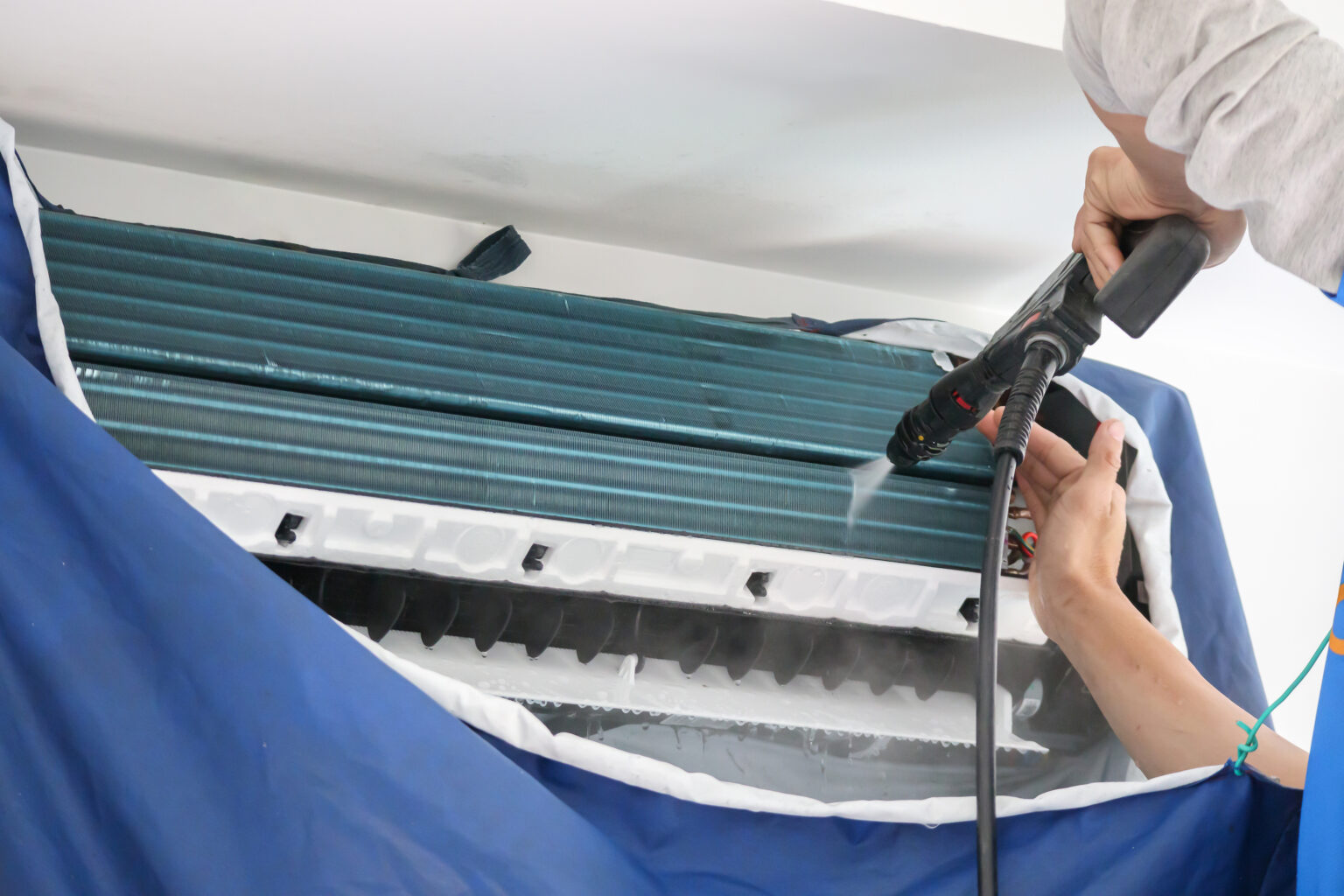
Professional HVAC technicians have the tools and expertise to perform thorough system cleanings and duct inspections. According to the National Air Duct Cleaners Association (NADCA), professional duct cleaning can significantly reduce dust and allergens in your home. Ductwork often requires specialized vacuums and agitation tools that aren’t available to most homeowners.
Refrigerant Handling
Refrigerant is a hazardous substance regulated by the Environmental Protection Agency. Only certified professionals should handle refrigerant, as improper handling can be dangerous and is illegal for unlicensed individuals.
Electrical and Mechanical Repairs
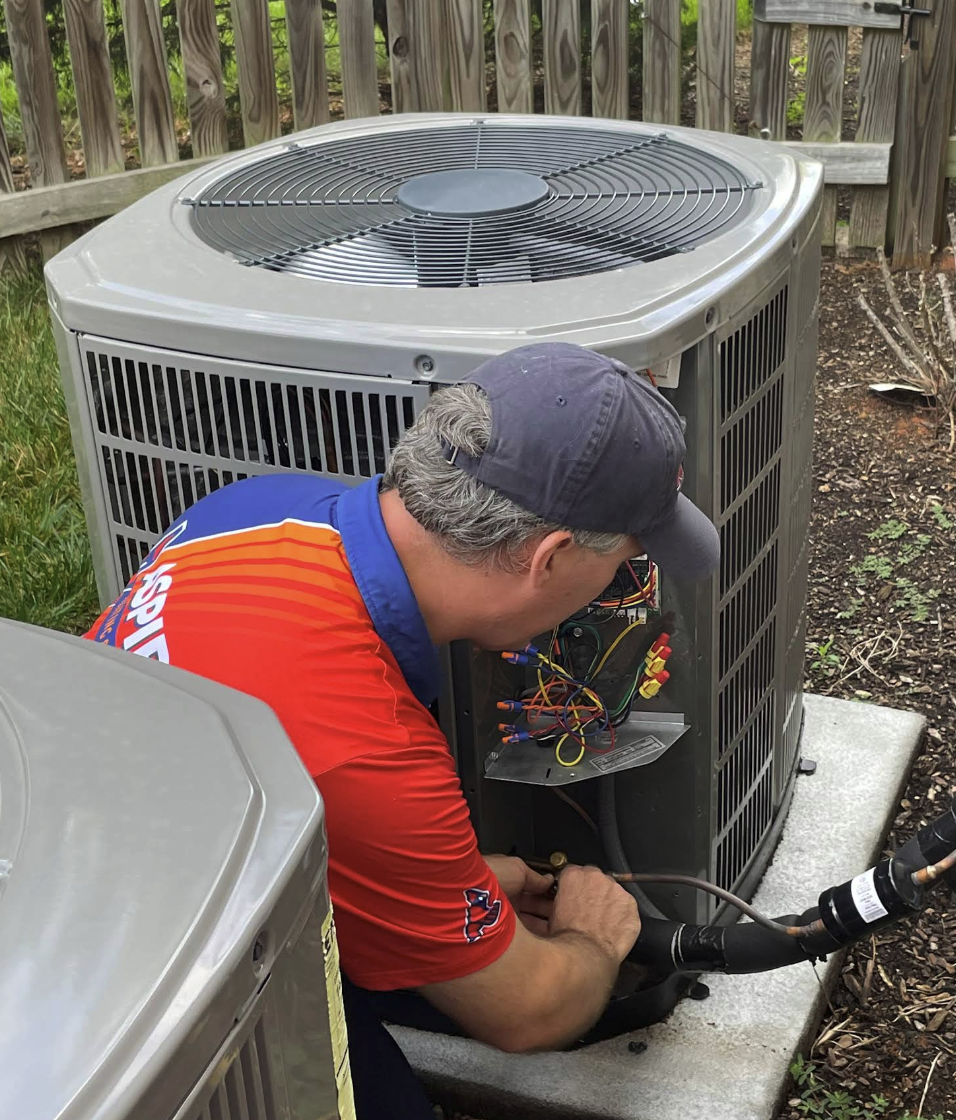
Complex electrical or mechanical issues should never be tackled as a DIY project. If your system isn’t cooling or heating properly, or if you notice unusual sounds or smells, it’s time to call in a professional. These issues often require advanced diagnostics and repairs that go beyond basic cleaning.
Maximizing the Life of Your HVAC System
Routine cleaning and timely professional maintenance can help your HVAC system last up to 12 years. Scheduling annual or bi-annual checkups allows technicians to catch small issues before they become major problems, improving energy efficiency and saving you money in the long run.
At Aspire Heating & Cooling, we recommend a regular maintenance schedule to ensure your system is always performing at its best. Not only does this extend the life of your HVAC, but it also provides peace of mind year-round.
Resources for Homeowners
Taking care of your HVAC system doesn’t have to be overwhelming. The key is knowing which tasks you can safely handle and when to call in the experts. For more tips on maintaining your home’s comfort systems, browse our blog or reach out for personalized advice from our knowledgeable team.
If you’re ready to schedule a professional HVAC inspection or need help with a specific issue, don’t hesitate to contact Aspire Heating & Cooling. We’re proud to help homeowners in North Carolina enjoy cleaner air and greater comfort, every season of the year.
By following these safety tips and maintenance recommendations, you’ll keep your HVAC system running efficiently and your home feeling fresh. Remember, while some tasks are perfect for DIY, your safety and comfort are always worth investing in professional expertise when needed.