Why Clean HVAC Systems Matter for Your Home
When it comes to home comfort, it’s easy to focus on the thermostat or energy bills, but the cleanliness of your HVAC system is just as crucial. Over time, your air ducts and system components collect dust, pet dander, pollen, and even mold spores. Without regular cleaning, these contaminants can circulate through your home every time your system runs, impacting both air quality and the efficiency of your heating and cooling equipment. For homeowners in Winston-Salem and throughout North Carolina, where seasonal changes mean your HVAC system works year-round, maintaining clean ducts and components is essential for consistent comfort.
The Hidden Dust: What Accumulates in Your Air Ducts
Air ducts play a vital role in delivering comfortable air to every room. But as air moves through the system, it gathers up tiny particles from daily living—everything from ordinary dust and pet hair to fibers, skin flakes, and outdoor allergens. According to the U.S. Environmental Protection Agency (EPA), indoor air pollutant levels are often two to five times higher than outdoor levels.
The average home can accumulate up to 40 pounds of dust each year, much of which settles in the ductwork, according to the National Air Duct Cleaners Association (NADCA). This dust is not static—it can be pushed right back into your living spaces, especially when the HVAC system cycles on.
Signs Your Air Ducts and HVAC System Need Cleaning
It’s not always obvious when your air ducts need attention, but there are warning signs every homeowner should know. If you see dust collecting around your vents, notice a musty odor when your HVAC system runs, or if your family experiences more allergy symptoms, these can be red flags. Increased dust in rooms or visible debris in the ducts are additional indicators. If you’ve had recent renovations or have pets that shed, it’s a good idea to have your system checked. Any sign of mold growth inside the ductwork also warrants immediate professional cleaning to protect your household.
Enhanced Indoor Air Quality—Breathe Easier Every Day
The most important benefit of regular HVAC cleaning is the improvement in indoor air quality. Clean ducts mean fewer allergens and irritants circulating in your home, which is essential for families with young children, seniors, or anyone with asthma or allergies. Research shows that poor indoor air quality is linked to numerous health problems, from respiratory issues to allergic reactions. Removing dust, pollen, and microbial contaminants from your HVAC system helps everyone in your home breathe easier and feel more comfortable—particularly important in North Carolina’s humid climate where mold and allergens thrive.
Boosting HVAC Performance and Efficiency
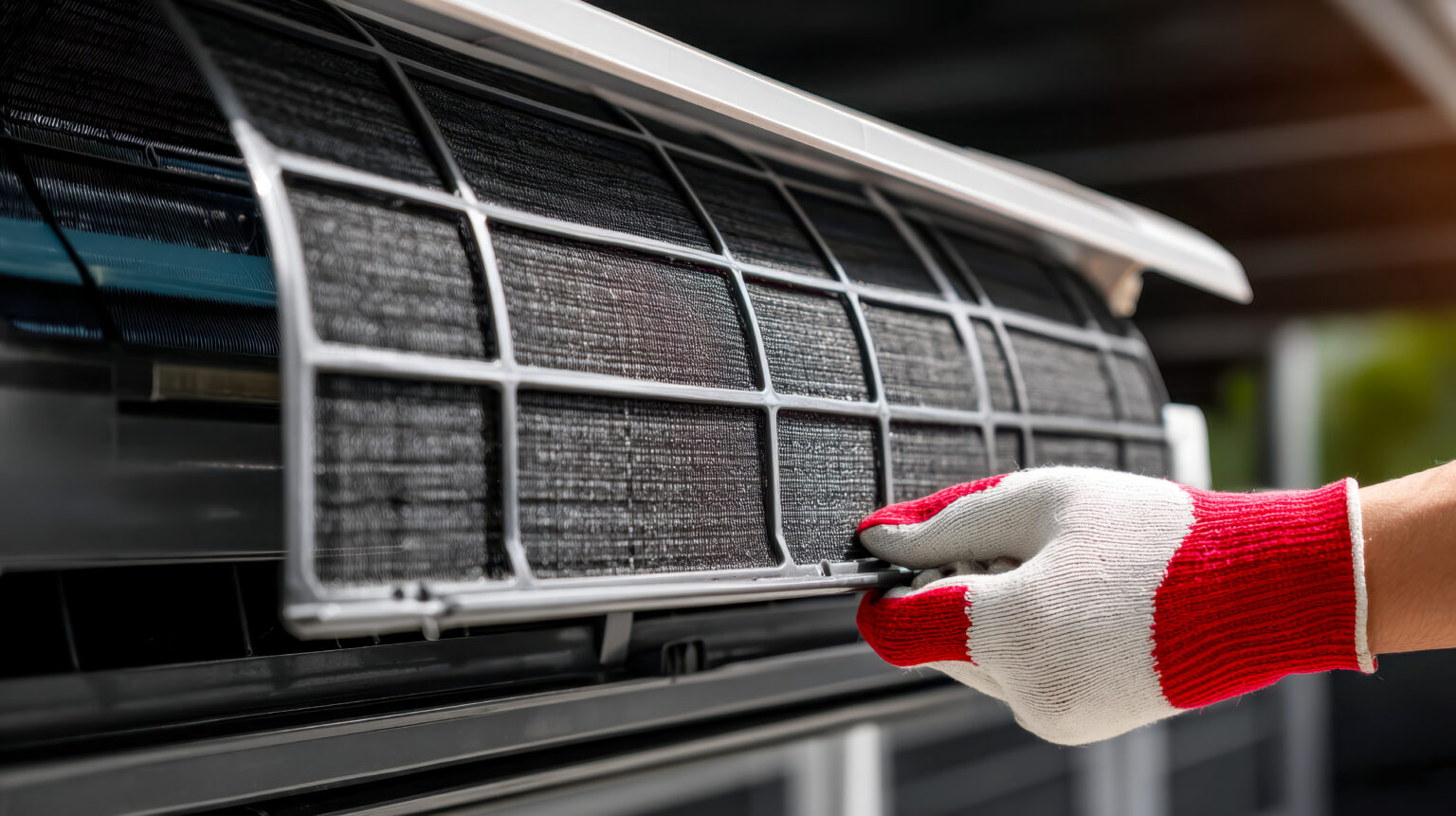
Dust and debris don’t just harm air quality—they also force your HVAC system to work harder. When filters, coils, and ducts get clogged, airflow becomes restricted, making it difficult for your system to reach your desired temperature. This added strain can lead to uneven heating and cooling, frequent cycling, and higher energy bills. According to the U.S. Department of Energy, a dirty condenser coil can increase compressor energy consumption by 30%. When your system is clean, it operates closer to its intended capacity, saving you money and helping your HVAC unit last up to 12 years before major replacement is needed.
Reducing the Risk of Breakdowns and Repairs
Routine HVAC cleaning doesn’t just help your system run efficiently—it also reduces the risk of unexpected breakdowns. Dust and debris can cause moving parts to wear out prematurely or lead to blockages that result in overheating. Regular cleaning keeps your system running smoothly and helps you avoid emergency repairs. During a professional cleaning, technicians can spot early signs of wear or leaks, allowing you to address problems before they become major issues.
Supporting Healthy Humidity and Comfort
Your HVAC system does more than control temperature; it also helps regulate indoor humidity. When ducts and coils are clean, moisture can move freely, lowering the risk of excess humidity that causes mold and mildew. Clean systems maintain balanced humidity, supporting a healthier home and preventing the musty odors and potential structural damage that come with unchecked moisture. This is especially crucial in the Winston-Salem area, where North Carolina’s humidity levels can challenge HVAC systems throughout the year.
How Often Should You Schedule HVAC Cleaning?
Every home is unique, but NADCA recommends having your air ducts inspected and cleaned every three to five years. Homes with pets, allergy sufferers, recent renovations, or tobacco use may benefit from more frequent service. At Aspire Heating & Cooling, our experienced technicians can help you develop a schedule based on your household’s needs. Don’t forget to replace your HVAC filters every one to three months to prevent dust from building up in the first place. When you schedule routine maintenance, you can also discuss air quality concerns and ensure your system is always clean and efficient.
Professional Cleaning: What to Expect
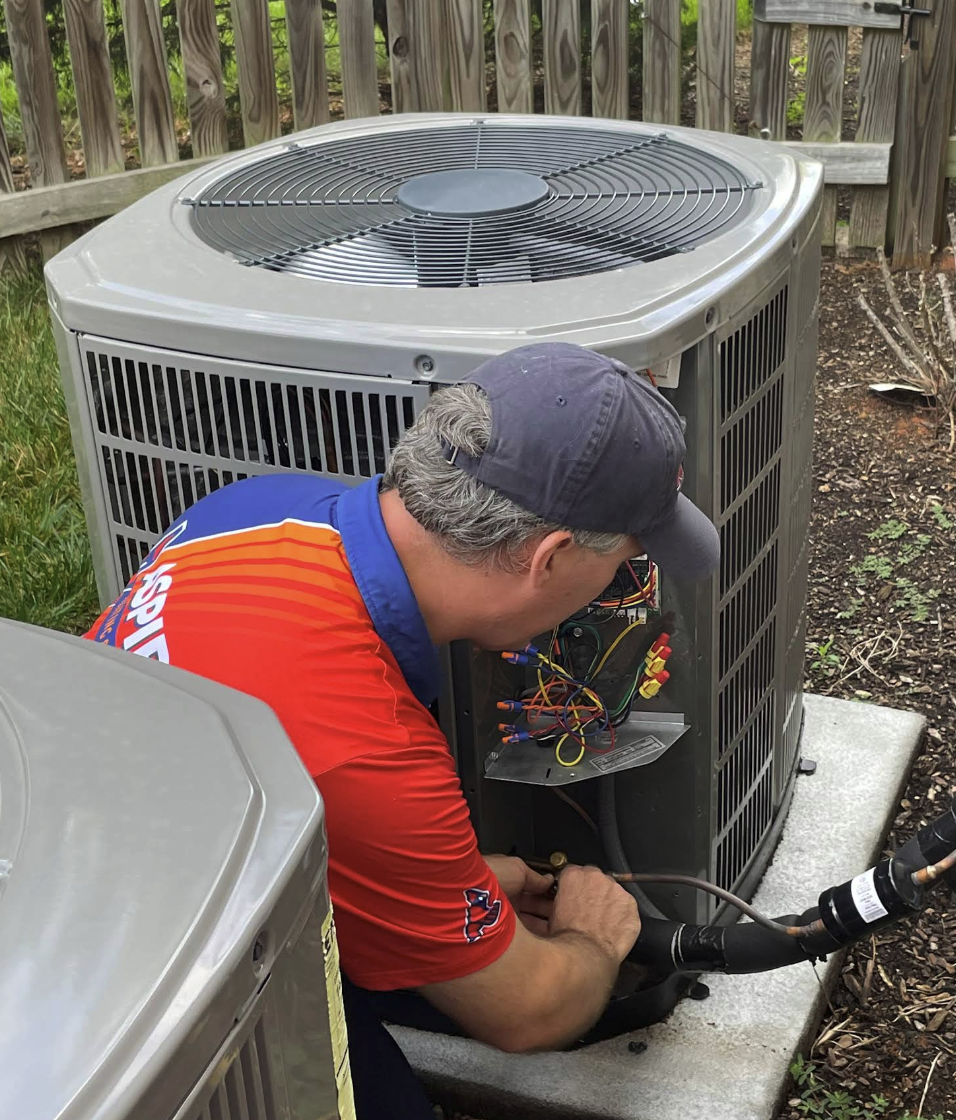
Professional HVAC cleaning goes beyond a simple vacuum. At Aspire Heating & Cooling, we use specialized equipment to remove dust, debris, and allergens from ducts, coils, and other key system parts. We follow NADCA standards and tailor our approach to your system’s layout, ensuring a thorough cleaning with no damage. Our maintenance plans include comprehensive cleaning, inspections, and performance checks to keep your system in top shape year-round.
Invest in Your Home’s Health and Comfort
Regular HVAC cleaning is more than just a maintenance task—it’s an investment in your family’s health, your comfort, and your energy savings. Clean air ducts and system components support fresher indoor air, lower utility bills, and a longer-lasting HVAC unit. If you’re ready to schedule a cleaning or want to learn more about our services, contact Aspire Heating & Cooling today.
A little attention now can make a big difference in how you feel at home throughout the year.