Can You Run Your HVAC on Solar Panels?
As homeowners increasingly seek ways to reduce their environmental impact and lower energy bills, the integration of solar power with HVAC systems has emerged as a powerful and sustainable solution. This innovative approach harnesses the clean, renewable energy of the sun to power the very systems that keep our homes comfortable year-round. At Aspire Heating & Cooling, we’re committed to helping Winston-Salem residents of North Carolina explore these forward-thinking technologies and embrace a more energy-efficient future.
Understanding Solar-Powered HVAC Systems
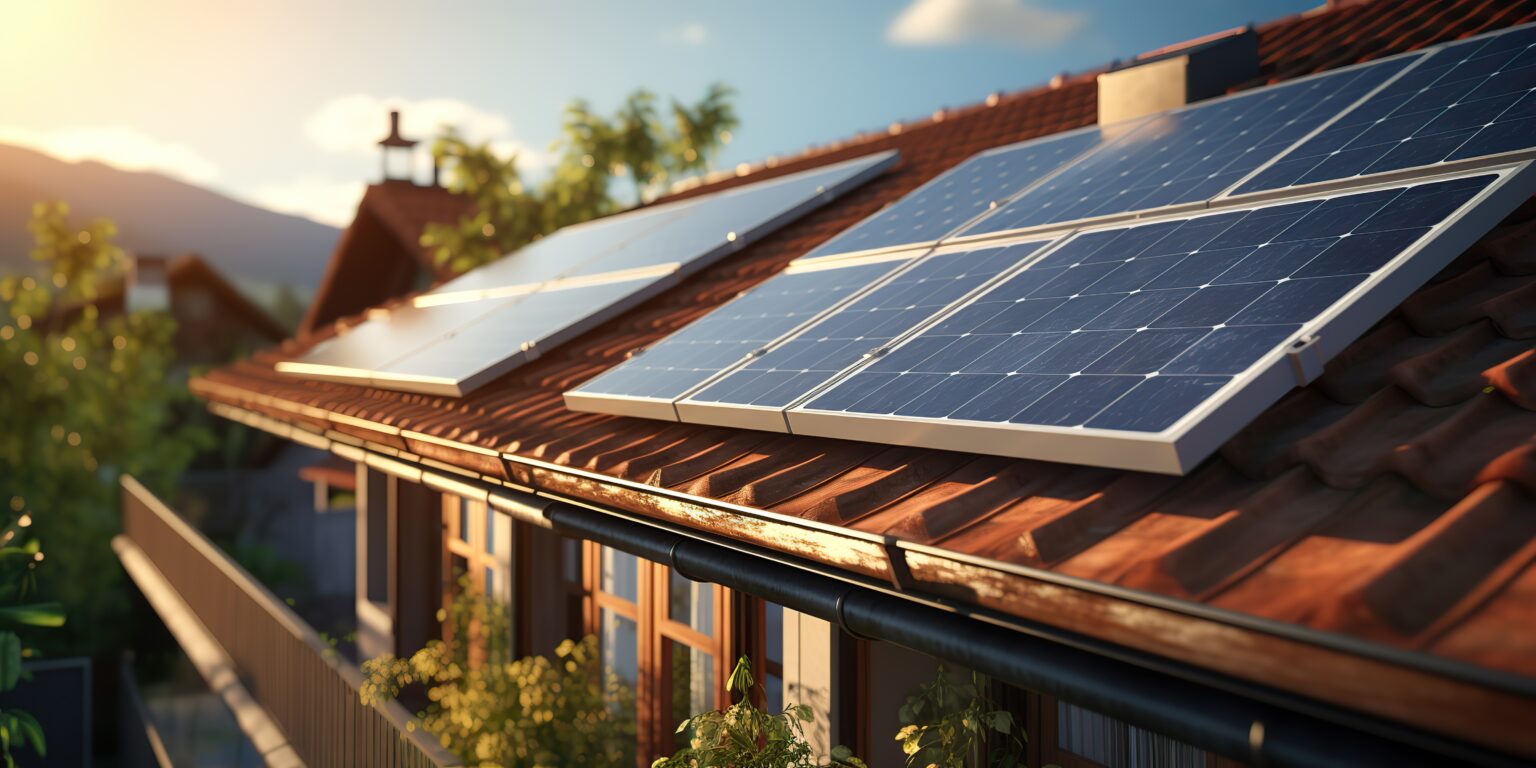
At its core, a solar-powered HVAC system utilizes photovoltaic (PV) solar panels to generate electricity. This electricity can then be used directly to power your existing or a new, specially designed HVAC unit. The most common types of HVAC systems that benefit from solar integration are air conditioners and heat pumps, both of which are significant energy consumers in most households.
When sunlight strikes the solar panels, it excites electrons within the semiconductor material, creating a direct current (DC) electricity flow. This DC electricity is then typically converted into alternating current (AC) electricity by an inverter, making it compatible with standard household appliances, including your HVAC system.
There are a few primary ways solar power can be integrated with HVAC:
- Grid-Tied Systems: This is the most common setup. Solar panels are connected to your home’s electrical system and the utility grid. When your solar panels generate more electricity than your HVAC system needs, the excess power is sent back to the grid, often earning you credits on your electricity bill. When your HVAC system requires more power than your panels are producing (e.g., at night or on cloudy days), it draws electricity from the grid as usual.
- Hybrid Systems: These systems combine solar power with battery storage. Excess solar energy is stored in batteries for later use, allowing you to power your HVAC system even when the sun isn’t shining, further reducing your reliance on the grid.
- Off-Grid Systems: While less common for residential HVAC, off-grid systems are entirely independent of the utility grid, relying solely on solar panels and battery storage. This is a more complex and expensive option, typically suited for remote locations.
The efficiency of solar-powered HVAC systems is constantly improving. Modern solar panels are more effective at converting sunlight into electricity, and advancements in inverter technology ensure minimal energy loss. Furthermore, many newer HVAC units are designed with energy efficiency in mind, meaning they require less power to operate, making them ideal partners for solar energy.
The Potential for Significant Savings
One of the most compelling reasons to consider solar-powered HVAC is the potential for substantial savings on your monthly energy bills. HVAC systems are often the largest energy consumers in a home, accounting for a significant portion of electricity usage. By offsetting this consumption with free, renewable solar energy, homeowners can see a dramatic reduction in their utility costs.
The exact amount of savings will vary depending on several factors, including the size and efficiency of your HVAC system, the number of solar panels installed, your geographic location and its solar irradiance, and your household’s energy consumption patterns. However, studies have shown that solar energy can significantly reduce or even eliminate a homeowner’s electricity bill.
Beyond immediate bill reductions, investing in solar power can also increase your home’s value. Homes equipped with solar energy systems are increasingly attractive to buyers, as they offer lower operating costs and a reduced environmental footprint. This makes solar-powered HVAC not just an investment in comfort and sustainability, but also a smart financial decision for your property.
Installation Considerations for Your Home
Integrating solar power with your HVAC system involves a few key considerations to ensure optimal performance and longevity. The process typically begins with a professional assessment of your home’s energy needs and suitability for solar.
1. Roof Assessment: Your roof’s condition, orientation, and shading are crucial factors. A south-facing roof with minimal shading from trees or other structures will generally yield the best results. A structural assessment may be necessary to ensure your roof can support the weight of the solar panels.
2. System Sizing: A qualified solar installer will perform an energy audit to determine the appropriate size of the solar array needed to meet your HVAC system’s energy demands. This involves analyzing your current energy usage and the energy requirements of your HVAC unit.
3. Panel and Inverter Selection: There are various types of solar panels and inverters available, each with different efficiencies, warranties, and costs. Your installer will help you choose the best options for your budget and energy goals.
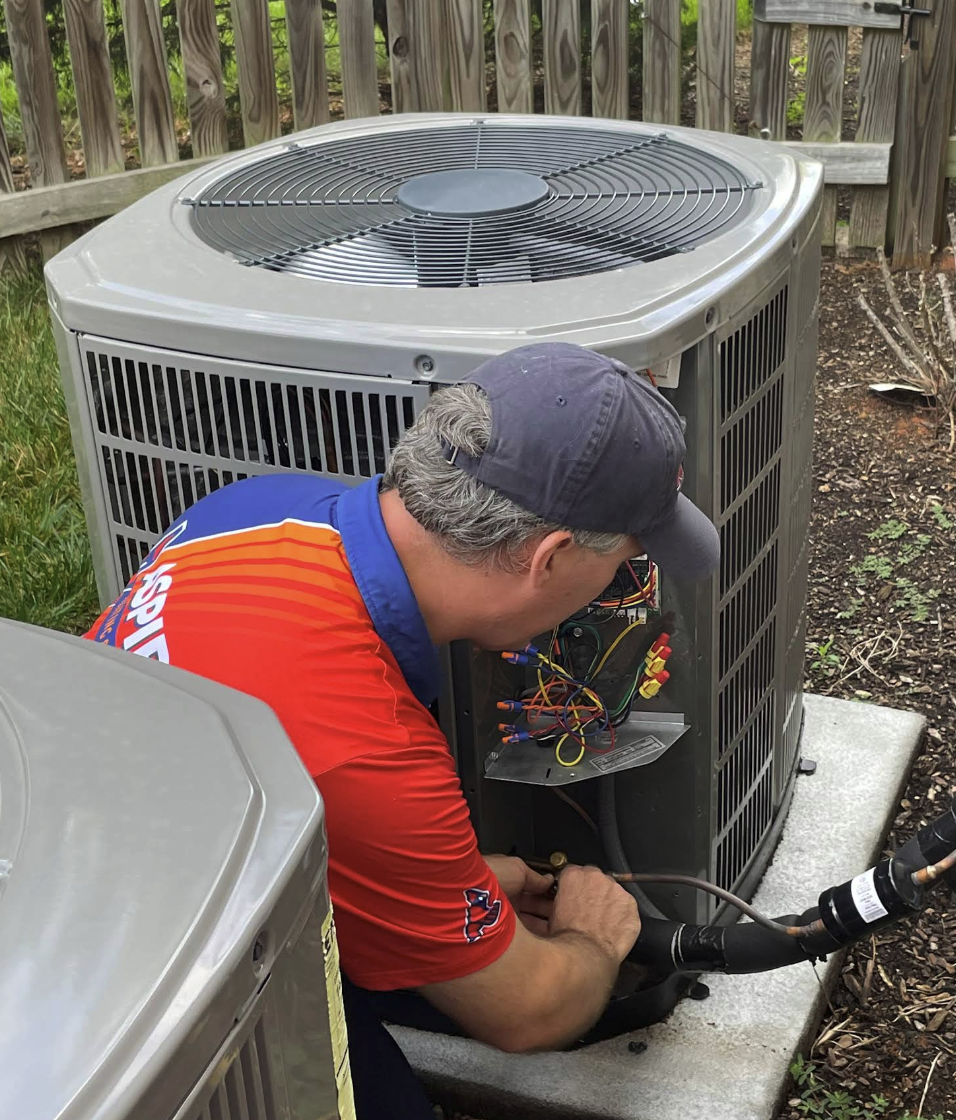
4. HVAC Unit Compatibility: While many modern HVAC systems are compatible with solar power, some older or less efficient units might benefit from an upgrade to maximize the advantages of solar integration. Newer, high-efficiency models, such as those with variable-speed compressors, are particularly well-suited for solar power.
5. Permitting and Interconnection: The installation process will involve obtaining necessary permits from your local municipality and coordinating with your utility company for grid interconnection. Reputable installers will handle these complexities on your behalf.
The lifespan of a typical air conditioning unit is around 12 years, and integrating it with solar power can help maximize its operational efficiency and potentially extend its effective service life by reducing strain on the grid connection.
Subsidies and Incentives in North Carolina
North Carolina offers a supportive environment for homeowners looking to adopt solar energy, with various state and federal incentives designed to make the transition more affordable. These programs can significantly reduce the upfront cost of installing a solar-powered HVAC system.
- Federal Solar Investment Tax Credit (ITC): This is a cornerstone incentive, allowing homeowners to deduct a percentage of the cost of their solar energy system from their federal taxes. The ITC has been extended and currently offers a substantial credit, making solar more accessible than ever..
- North Carolina State Tax Credits: While state-level incentives can fluctuate, North Carolina has historically offered tax credits for solar installations. It’s essential for Winston-Salem homeowners to consult with a solar professional for current state-specific benefits.
- Net Metering: North Carolina utilities generally offer net metering policies. This means that when your solar panels produce more electricity than your home is consuming, the excess power is sent back to the grid, and your utility company credits your account for that energy. This effectively reduces your electricity bill by the amount of energy you send back. The specifics of net metering policies can vary by utility provider, so it’s wise to inquire with your local provider.
- Property Tax Exemptions: In many areas, the increased value of your home due to the addition of a solar energy system may be exempt from property taxes, further enhancing the financial benefits.
Embracing solar power for your HVAC system is a significant step towards a more sustainable, cost-effective, and comfortable home. By understanding how these systems work, considering the installation process, and leveraging available incentives, you can make an informed decision that benefits both your wallet and the planet.
While Aspire Heating & Cooling does not install solar panels directly, our team partners closely with homeowners and solar contractors to ensure HVAC systems are fully optimized for solar integration. Contact Aspire Heating & Cooling today to learn more about how solar-powered HVAC can transform your home.