North Carolina winters may be milder than up north, but chilly mornings in the Piedmont Triad can still push your heating system hard. If your furnace or heat pump is older, noisy, or driving up your utility bills, upgrading to an energy‑efficient system can make your home more comfortable while lowering monthly costs.
Heating and cooling account for almost half of the typical home’s annual energy bill, estimating around $1,900 per year for the average household energy bill and notes that nearly half goes to temperature control. That means an inefficient heating system can quietly waste money every winter.
How High-Efficiency Heating Systems Work
Modern high-efficiency heating solutions go beyond simple “on/off” furnaces. The most common options for Triad homeowners are high-efficiency heat pumps, high-efficiency gas furnaces, and smart thermostats.
High-efficiency heat pumps move heat instead of creating it. In winter, they pull heat from outdoor air and transfer it indoors; in summer, they work in reverse to cool your home. Because they move heat rather than generating it from fuel, they can deliver more heat energy than the electricity they consume. An efficient air‑source heat pump can deliver up to three times more heat energy than the electrical energy it uses and can provide heating for roughly one‑third the cost of traditional electric baseboard heat.
For many homeowners, this translates into:
- Lower monthly heating bills
- One system that both heats and cools
- Steady, even temperatures instead of big swings
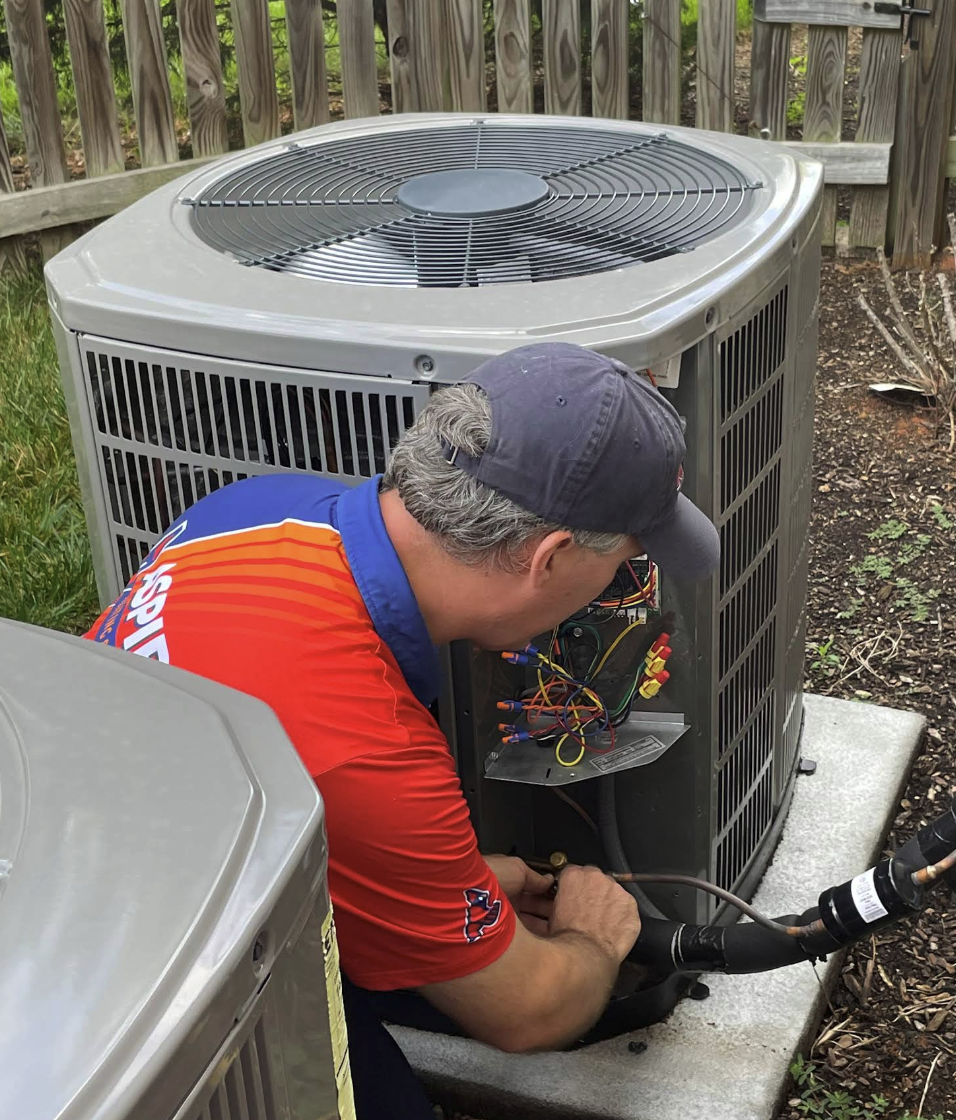
If you currently have an aging central air conditioner, a modern heat pump can often replace it and serve as both your AC and primary heating system. Aspire Heating & Cooling’s heating services team can evaluate whether a heat pump is a good fit for your home.
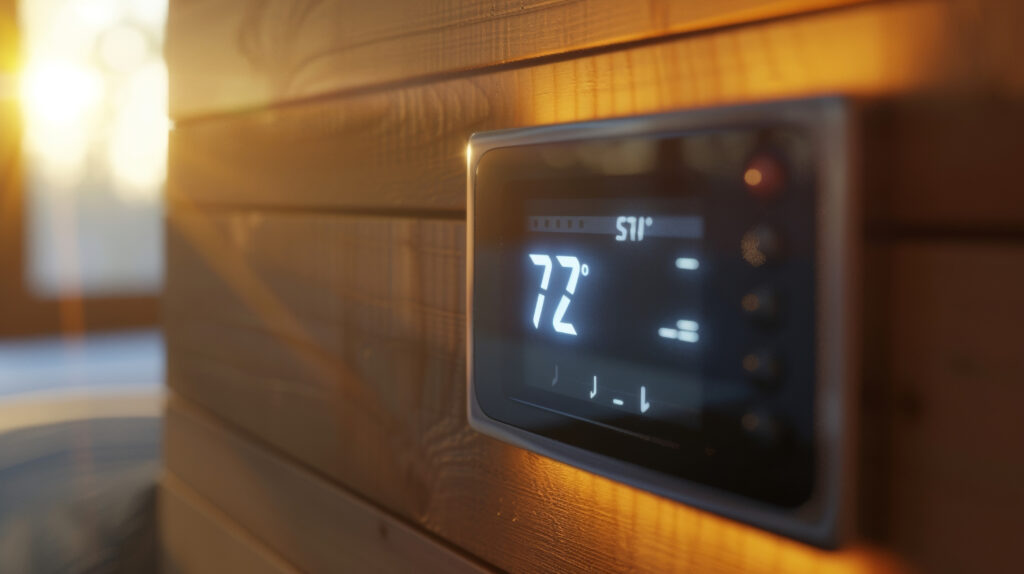
Smart thermostats and zoning help you get the most out of any efficient system. Smart thermostats learn your schedule, adjust temperatures automatically, and allow remote control from your phone. Using programmable setpoints and temperature setbacks can reduce heating and cooling energy use when used correctly. Zoning uses multiple thermostats and dampers in your ductwork to separately control different parts of your home—helpful if some rooms run warmer or cooler than others.
What Homeowners Can Expect During Installation
Upgrading to a modern heat pump or high-efficiency furnace is straightforward when you work with an experienced HVAC team.
In-home evaluation and sizing. A technician will:
- Inspect your existing equipment and ductwork
- Review insulation, windows, and doors
- Ask about comfort issues, such as hot or cold spots
Instead of relying on rough estimates, a proper Manual J load calculation helps right‑size your new system. Correct sizing prevents oversizing (which can cause short cycling and uneven temperatures) and undersizing (which can leave your home uncomfortable on colder days).
System recommendations and pricing. After the evaluation, Aspire will recommend options tailored to your home, such as:
- A high-efficiency air‑source heat pump
- A high-efficiency gas furnace
- A dual‑fuel configuration
- Smart thermostat or zoning upgrades
Most standard replacement projects are completed within a day, though more complex upgrades can take longer. Before leaving, your technician will walk you through system operation and basic maintenance steps.
Long-Term Energy and Environmental Benefits
Efficient heating is both a comfort upgrade and a long-term investment.
Lower energy use and bills. Because high-efficiency systems convert or move energy more effectively, they use less electricity or fuel to provide the same comfort level. Over the life of the system, this can mean:
- Noticeably lower winter utility bills
- Less strain on your electrical system
- A more predictable energy budget
Your exact savings depend on your previous system, insulation, and thermostat habits, but many homeowners notice a difference after their first full heating season.
Reduced greenhouse gas emissions. When your system uses less energy, it helps reduce greenhouse gas emissions tied to that energy use. An air‑source heat pump can avoid more than 4,500 pounds of greenhouse gas emissions over its lifetime compared to standard systems. For many families, efficient heating is a practical way to make their home more sustainable.
Paired with regular professional maintenance from Aspire’s heating services team, efficient equipment also supports cleaner indoor air and fewer mid‑season breakdowns.
Upfront Cost vs. Payback Over Time
When you consider a new heat pump or furnace, it’s helpful to look at both upfront cost and ongoing operating costs.
Upfront investment. Your installation price will depend on:
- System size and efficiency rating
- Whether you choose a single system, dual‑fuel setup, or zoning
- Any ductwork modifications or electrical upgrades
- Added features like advanced filtration or smart controls
High-efficiency systems typically cost more upfront than basic models, but incentives can narrow that gap. Utility rebates and federal or state efficiency programs can significantly offset the initial cost.
Many homeowners find that even a moderate payback period feels worthwhile when they factor in improved comfort, quieter performance, reduced risk of emergency replacements, and potential resale appeal.
If you’re ready to explore efficient heating solutions for your North Carolina home, Aspire Heating & Cooling can walk you through your options, answer questions in plain language, and design a system tailored to your needs. To get started, schedule a visit through our contact page.