When you walk into your home, you expect comfort—not an unpleasant surprise from your HVAC system. Unusual odors coming from your vents can be alarming, and for good reason. These smells often signal underlying issues that, if left unchecked, can compromise your comfort, safety, and even your health. Understanding what these odors mean is the first step to protecting your home and your loved ones.
Why HVAC Odors Should Never Be Ignored
Your HVAC system is designed to circulate clean, conditioned air. When it starts to emit strange smells, it’s trying to tell you something important. Odors can indicate anything from minor maintenance needs to serious safety hazards. Indoor air can be two to five times more polluted than outdoor air, highlighting the importance of prompt attention to any changes in your home’s air quality.
Decoding Common HVAC Odors and Their Causes
Let’s break down some of the most common—and concerning—smells you might notice, what they often mean, and how you can respond.
Burning Smell: Electrical or Mechanical Issues
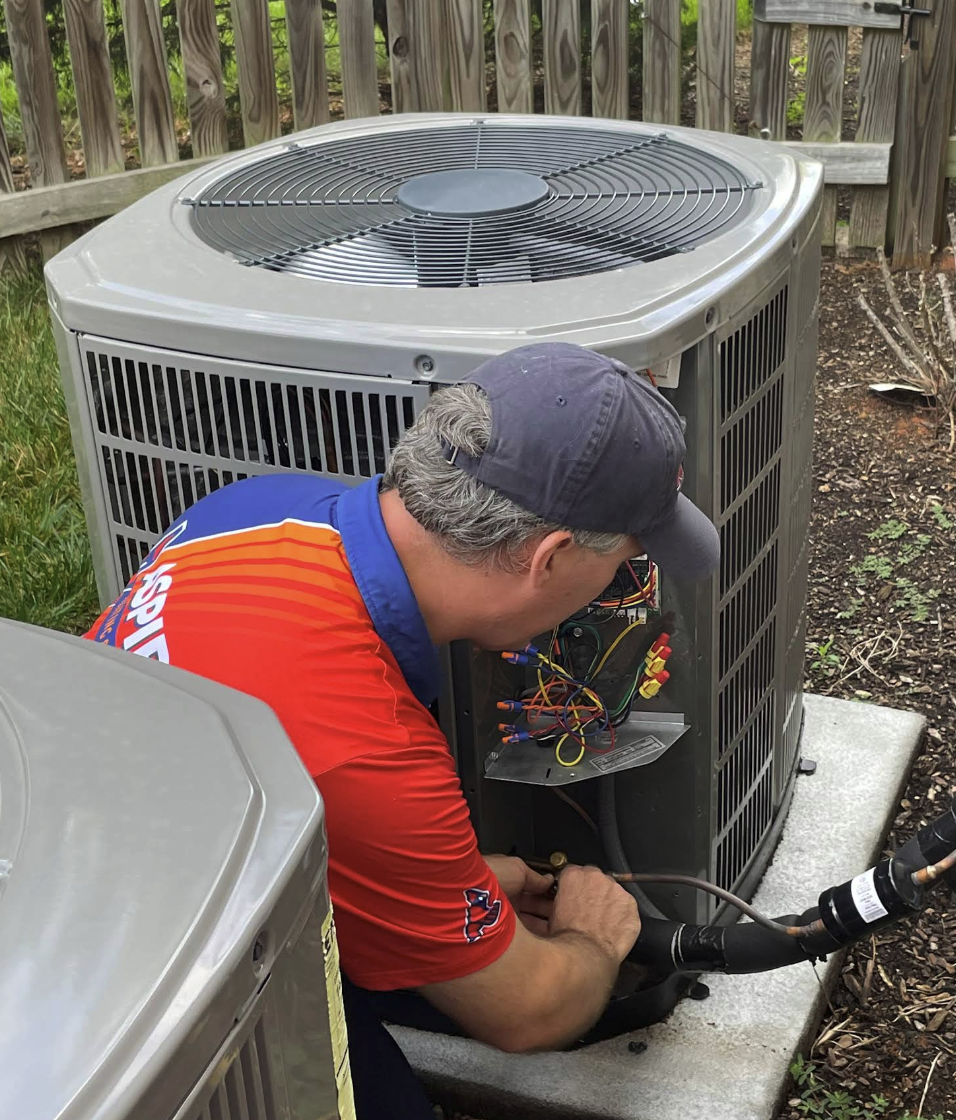
A burning odor, especially one that smells like hot plastic or metal, can be a red flag. This scent often points to electrical problems, such as overheating wiring or failing components inside your system. Sometimes, dust that has settled on the heat exchanger or other parts during periods of inactivity can burn off when the system first turns on for the season. However, if the smell persists, it could indicate a much more serious issue.
Prolonged burning smells should be addressed immediately, as faulty wiring is a leading cause of house fires. If you notice this odor, turn off your HVAC system and contact a licensed professional right away.
Musty or Moldy Smell: Hidden Moisture and Mold Growth
A musty odor is often associated with mold or mildew, which thrive in moist environments. Your HVAC system’s evaporator coils and drain pans can collect water, providing the perfect breeding ground for mold. Not only can this affect your system’s efficiency, but exposure to mold spores can also trigger allergies and respiratory issues.
If you notice a persistent musty smell, it’s important to have your system inspected. Regular maintenance, including cleaning and replacing air filters, can help prevent mold growth. If mold is found, professional remediation is essential to ensure safe, thorough removal.
Sulfur or Rotten Egg Smell: Gas Leak Dangers
One of the most alarming odors you might encounter is a sulfur or rotten egg smell. This is often an indicator of a natural gas leak—a situation that poses immediate risk to your household. Utility companies add a harmless chemical called mercaptan to natural gas, which is naturally odorless, specifically to alert homeowners to leaks.
If you detect this smell, evacuate your home immediately and contact your utility provider and emergency services. Do not attempt to locate the leak yourself or use electrical switches, as even a small spark could ignite the gas.
Chemical or Acetone Smell: Refrigerant Leaks
A sweet, chemical-like odor, sometimes compared to acetone or nail polish remover, can signal a refrigerant leak in your HVAC system. Refrigerants are crucial for cooling, but exposure can be harmful and leaks can reduce your system’s efficiency. The Environmental Protection Agency strictly regulates refrigerant handling due to its impact on health and the environment.
If you notice this type of smell, schedule a service call with a certified HVAC technician. Only professionals are equipped to safely detect and repair refrigerant leaks.
Stale or Dirty Sock Smell: Bacterial Growth
A less dangerous but still unpleasant odor is the so-called “dirty sock syndrome.” This happens when bacteria build up on your HVAC’s evaporator coils, often after periods of high humidity. While not as hazardous as mold or gas leaks, this odor can make your home uncomfortable.
Routine maintenance and regular filter changes are your best defense. If the smell persists, professional coil cleaning may be necessary to restore fresh airflow.
What Homeowners Can Do When Odors Arise
While it’s tempting to mask HVAC odors with air fresheners or candles, these solutions only cover up the problem. Instead, take the following steps to address odors safely and effectively:
- Turn off your HVAC system if you detect burning, sulfur, or chemical smells.
- Check and replace air filters regularly to keep your system running clean.
- Schedule annual professional maintenance to catch issues before they become serious.
- Monitor humidity levels in your home to prevent mold and bacterial growth.
- Evacuate immediately if you suspect a gas leak, and contact your utility provider.
For more detailed guidance, explore Aspire Heating & Cooling’s HVAC maintenance tips and consider scheduling a professional inspection to ensure your system is in top shape.
The Value of Professional HVAC Care
Addressing HVAC odors promptly not only protects your home and health but can also extend the lifespan of your system. With proper maintenance, most air conditioning units last about 12 years—regular checkups and timely repairs help you get the most out of your investment.
Aspire Heating & Cooling is committed to keeping your home safe, comfortable, and odor-free. If you have concerns about unusual smells or want to schedule a system check, our team is here to help. Reach out today for expert service and peace of mind.