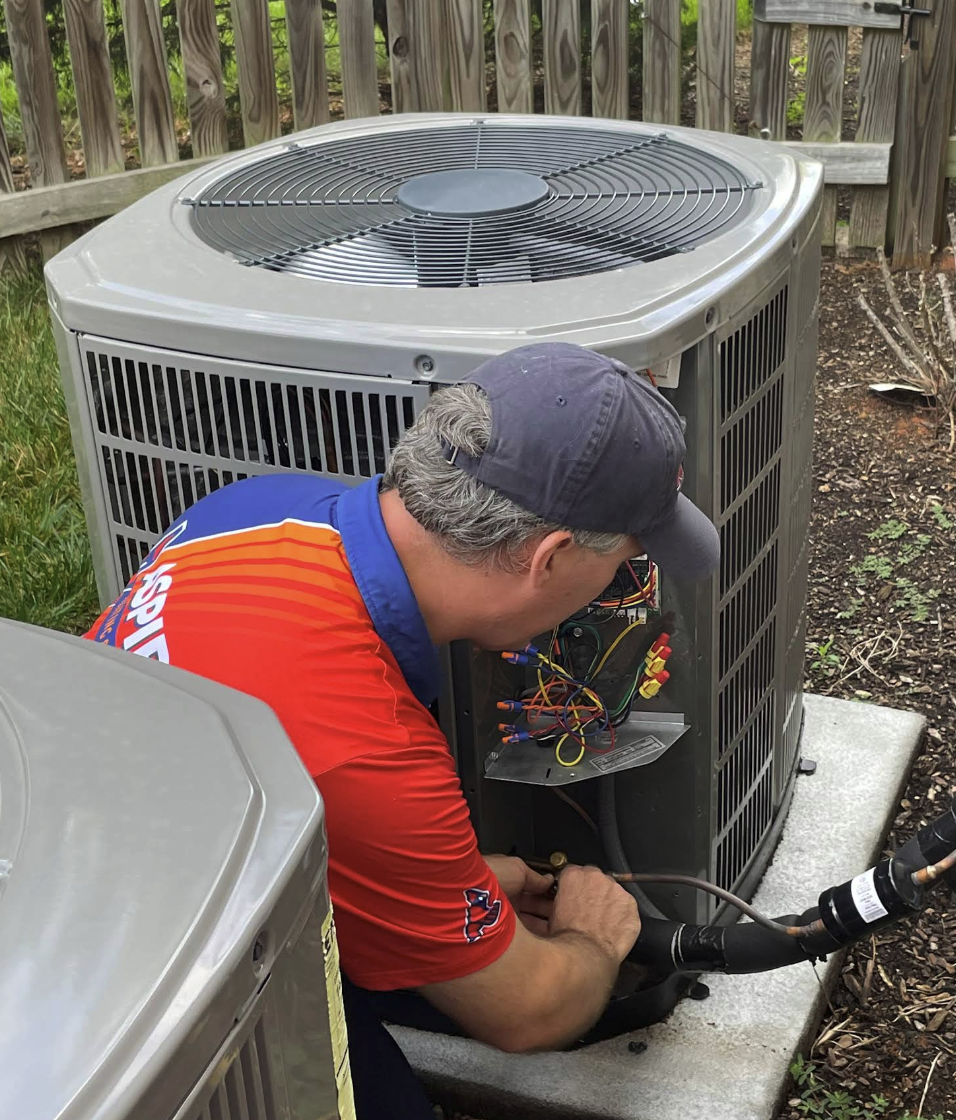
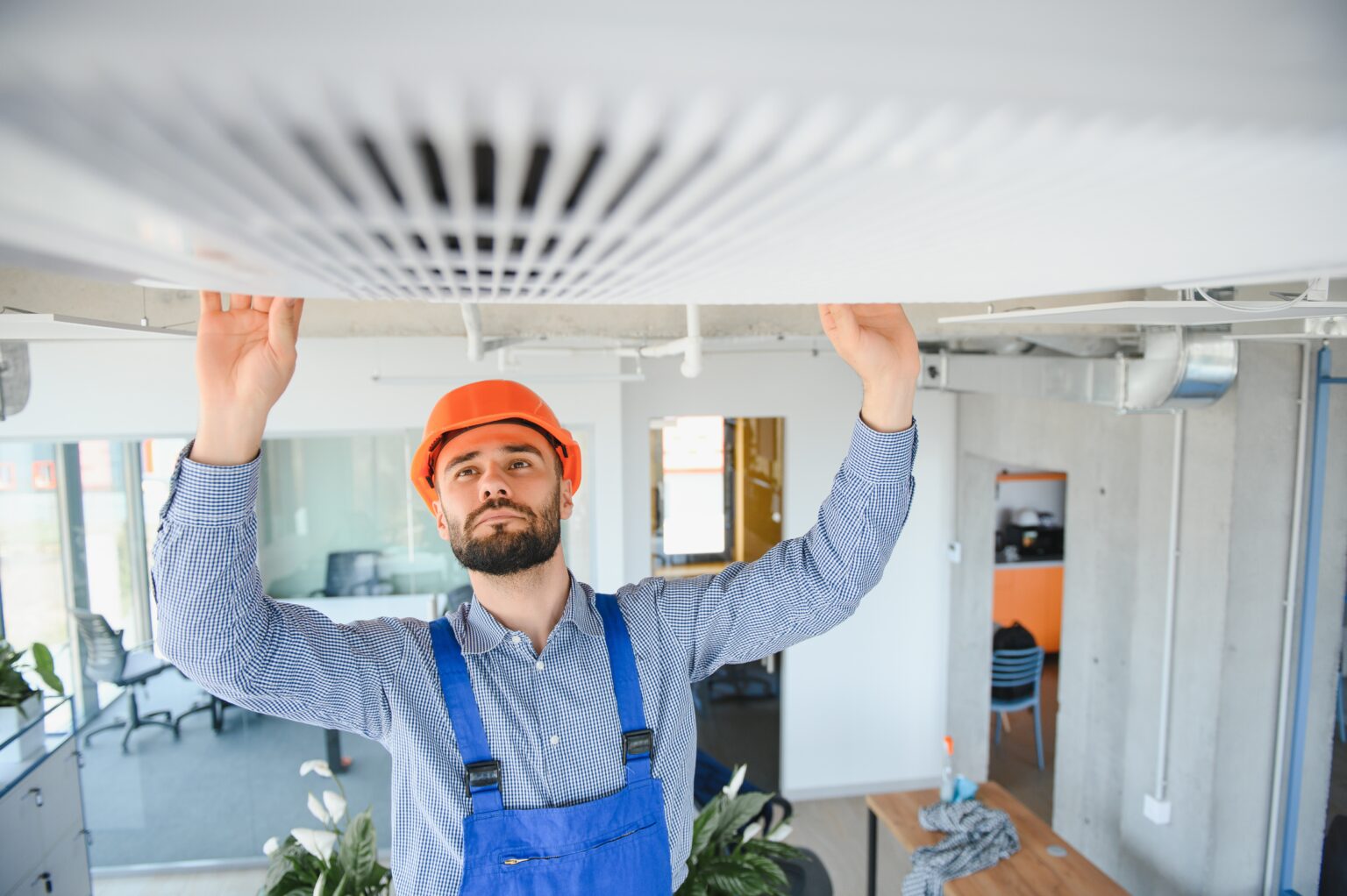
Proper airflow is the lifeblood of an efficient HVAC system. Without it, your heating and cooling equipment must work harder, leading to uneven temperatures, higher energy costs, and even premature system wear. At Aspire Heating & Cooling, we know that understanding and assessing your home’s airflow is one of the most impactful steps you can take toward comfort and savings.
Why Airflow Matters for HVAC Performance
Airflow refers to how much conditioned air moves through your ductwork and into your living spaces. When airflow is restricted or unbalanced, rooms can end up too hot, too cold, or stuffy—no matter how advanced your system may be. According to industry research, optimizing airflow not only improves comfort but also increases energy efficiency, helping homeowners save on utility bills and reduce overall system strain.
The U.S. Department of Energy notes that duct leakage and poor airflow are among the leading causes of wasted energy in American homes. If these issues go unchecked, your HVAC system could consume far more energy than necessary, especially during peak heating and cooling seasons.
Signs of Poor Airflow in Your Home
How do you know if your airflow is less than ideal? Common symptoms include certain rooms that never seem to reach the right temperature, weak air movement from vents, excess dust, or a system that cycles on and off frequently. If you notice inconsistent temperatures or lingering stuffiness, these are clear signals that your HVAC system may be struggling with airflow.
Sometimes, restricted airflow can also cause more direct issues, such as your air conditioner not cooling properly or your furnace blowing cold air. Our resource on signs your A/C needs repair highlights how dirty filters, clogged ducts, or even critter damage can all contribute to these problems. Learn more about why your air conditioner is not cooling for specific guidance.
What Contributes to Poor Airflow?
Several factors can restrict or disrupt airflow in your home:
- Clogged or dirty air filters: When filters get blocked, airflow is immediately reduced, forcing your system to work harder and less efficiently.This can often cause your furnace to blow cold air.
- Furniture and layout: Large pieces of furniture or clutter placed in front of vents can significantly reduce air circulation and lead to hot or cold spots.
- Leaky or damaged ductwork: Even a small hole in your ductwork can result in significant air loss, making it difficult to maintain a comfortable temperature throughout your home.
- Blocked or closed vents: Sometimes, vents are accidentally blocked by rugs, drapes, or furniture, or they may get closed off entirely, disrupting the balanced distribution of air.
How to Assess Your Home’s Airflow
Start by feeling the airflow from each vent in your home. Is the air movement strong and consistent, or does it feel weak in certain rooms? Next, check your air filters and replace them if they appear dirty or clogged—this is an easy fix that can have an immediate impact.
Take a walk around each room and look for vents that may be blocked by furniture or other household items. Rearranging your layout to ensure vents are unobstructed can help improve circulation substantially. If you notice persistent issues despite these quick adjustments, it may be time to look deeper into your system’s ductwork.
Professional airflow measurements can also help pinpoint hidden problems. Aspire Heating & Cooling offers comprehensive system evaluations, using tools that measure airflow volume and duct pressure to identify leaks or blockages you might not see. According to the National Air Duct Cleaners Association, cleaning and sealing ducts can boost airflow by as much as 41% to 60% and result in notable energy savings.
Steps to Enhance Airflow in Your Home
Enhancing your home’s airflow is often a matter of making small, strategic changes. Start by keeping up with regular HVAC maintenance, including filter changes and seasonal tune-ups. Ensuring that all vents are open and clear of obstructions is another simple yet effective step.
If you suspect ductwork issues, schedule a professional inspection. Aspire Heating & Cooling can check for leaks, disconnected ducts, or even critter-related damage, which is more common than many homeowners realize. Sealing and repairing ducts not only improve airflow but also help maintain indoor air quality.
Finally, consider your system’s age and capacity. An HVAC system that’s been in service for more than 12 years may not deliver optimal airflow or efficiency, even with regular maintenance. If your system is approaching or past this mark, it may be time to evaluate whether an upgrade could benefit your comfort and energy bills.
The Aspire Heating & Cooling Difference
At Aspire Heating & Cooling, we believe that proper airflow is key to HVAC efficiency and your family’s comfort. Our team is dedicated to helping you identify and solve airflow problems with honesty, expertise, and customer-first service. Whether you need a routine maintenance check, a thorough duct inspection, or advice on optimizing your home’s layout, we’re here for you every step of the way.
If you’re ready to take control of your home’s comfort and efficiency, contact Aspire Heating & Cooling at (336) 295-6252 or explore our full range of services today. Together, we’ll make sure your system is running at its best—so you can breathe easier all year long.